In the efficient delivery of M&E/MEP services on projects, engineering and technical expertise are non-negotiable assets that the MEP professionals involved in the project must possess. But what often separates good MEP professionals from the great ones isn’t just their engineering and technical competence – it is the “soft skills” which enables them to thrive under the pressures of complex projects and cross-disciplinary teams, that makes some MEP professionals stand out and sustain vital client relationships.
Here are five “soft skills” that every MEP professional should endeavour to cultivate and deploy in the exercise of their roles:
1. Clear Communication
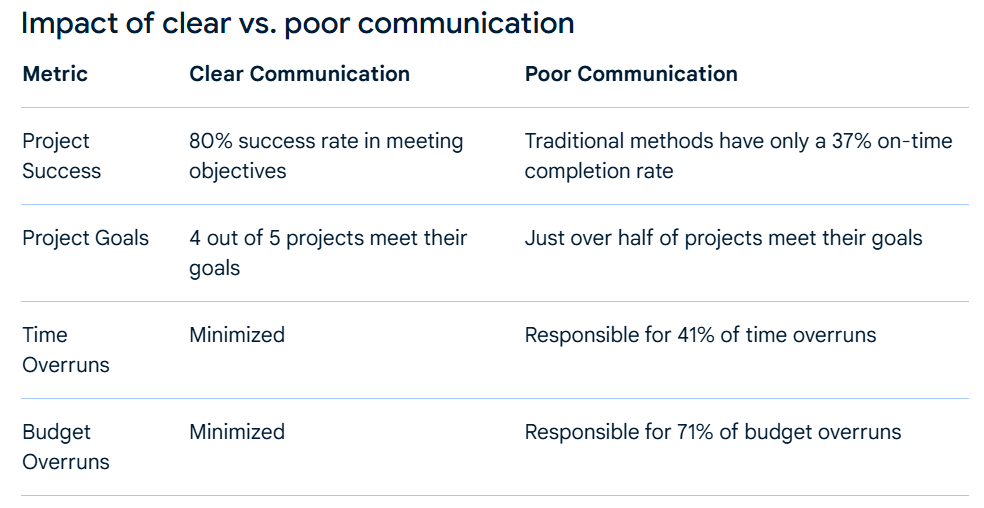
MEP engineering is a technically complex area. However, it is sometimes necessary to engage and communicate with stakeholders who may not have an engineering or technical background on these complex MEP services. The ability to clearly communicate and explain such complex engineering matters effectively ensures that, technical details are understood by clients, architects, contractors, and site teams. This minimises the risk of misunderstandings of drawings, technical information or instructions which could otherwise lead to costly errors and disagreements. Also, it is often necessary to give regular progress updates on MEP works to relevant third parties through progress reports and meetings. This requires strong verbal and written communication skills to ensure that there are no ambiguities regarding the state of the works being communicated. Thus, the ability to communicate clearly is an indispensable soft asset that every MEP Professional should learn to master in order to enhance their efficiency. The table below from a quick internet search gives an indication of how clear communication impacts project delivery:
2. Collaboration and Team work
MEP projects involve constant coordination with various trades such as drylining, steelwork, blockwork and scaffolding, as well as intra-services coordination involving different sub-contractors (e.g. ductwork and pipework packages). The ability to work smoothly with all these trades in a collaborative, non-confrontational manner is an asset that can make an MEP professional stand out from the rest. Aside dealing with the trades, there are various professional teams such as architects, structural engineers, MEP design consultants and the almighty Main Contractors that the MEP professional will interact with. It is imperative to develop skills that ensure that you collaborate seamlessly with these parties to avoid unnecessary clashes. Other parties can reasonably tell when you are trying your best to work collaboratively, and are more likely to meet you halfway in resolving any disagreements, and ultimately achieving successful project delivery.
3. Problem-Solving
Unexpected site conditions, last-minute design changes, unexpected coordination issues, Main Contractor instructions and client requests are just a few of the issues that MEP professionals deal with on a regular basis. Effective MEP professionals think critically when they encounter such challenges, propose practical solutions, and adapt quickly without losing sight of the project goals. Part of the problem-solving skills also involves carrying all relevant stakeholders along, so they know what the challenges are and how they are being resolved, thereby reducing unnecessary conflicts on the project. This skill can be developed through experience, continuous learning and under-studying the “problem-solvers” within your organisation. The skill of “problem-solving” is a key asset that when combined with technical competence, can take your career to the next level.
4. Time Management
Deadlines in construction are unforgiving. Prioritising tasks, managing resources, and keeping workflows efficient can make the difference between a smooth project handover and protracted project delays. Effective MEP professionals should have good organisational skills to help them prioritise and accommodate numerous tasks within limited time frames, without compromising on the quality of delivery. There are several books and online resources on time management and organisation, that can help in developing your skills in this area.
5. Negotiation & Stakeholder Management
From convincing a client about sustainable alternatives, agreeing contracts, settling final accounts to resolving conflicts with contractors, the art of negotiation is a skill that can make you stand out as a top MEP professional. The importance of negotiation in project delivery is sometimes underestimated, particularly when it is viewed solely from a formal context. However, informal negotiations occur daily on project sites, from agreeing materials delivery slots to negotiating crane hook-time for MEP plant/equipment. Effective MEP professionals are able to consistently secure the best outcomes for their organisations by deploying their negotiation skills. This does not mean that you must get your desired outcome on every occasion; indeed, knowing when and what to concede on is part and parcel of negotiation skills. Also, building trust and maintaining professionalism helps in negotiations and stakeholder management and ultimately, successful project delivery.
Final Thoughts… and have a beer!
While engineering and technical competence are essential and must never be sacrificed, soft skills can be that “multiplier effect” that can makes MEP professionals truly effective. By mastering both (i.e. technical competence and soft skills), MEP professionals can deliver not only accurate services and systems, but also successful projects and satisfied clients on a consistent basis. With these successes comes recognition, which can propel your career to new heights and make you stand out among your peers.
And finally, have a quick beer with other parties outside of work. No matter how the other parties may come across during work, they are human after all and it sometimes helps to get to appreciate that human side. We are not suggesting that you go out for “all-night bingers” after work (that will certainly not make you an effective MEP professional!), nor that you go out of your way to be “besties” with the other parties. However, some form of relationship developed outside of work can have a positive effect on the working relationship with the party in question. Whilst this may not be classed officially as a “soft skill” per se, it is a good interpersonal asset to possess. Enjoy your beers!